
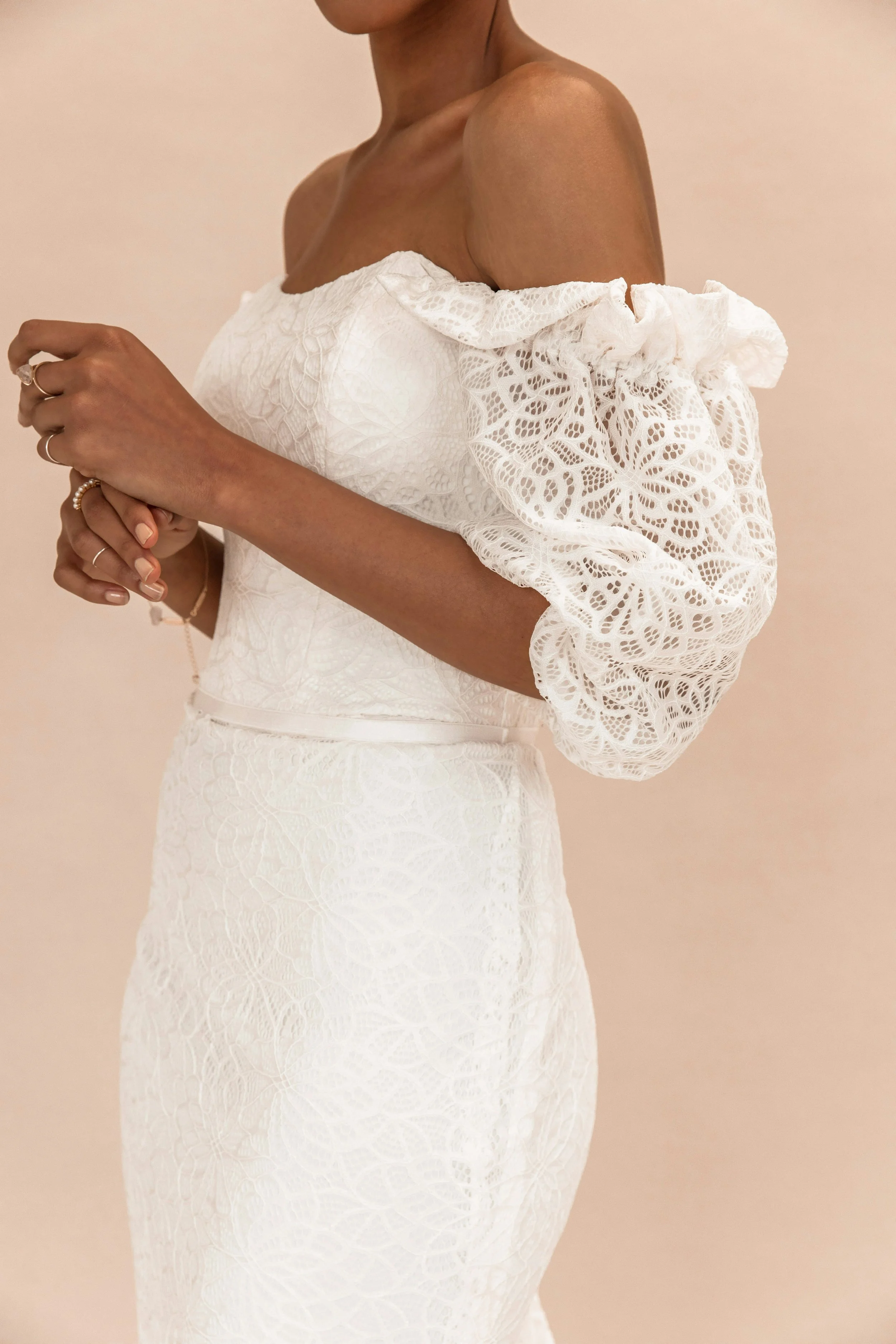
Most people encounter laundry as a problem to solve quickly —
a spill, a deadline, a need to be done with it.
But some garments resist urgency.
Bridal gowns, formal dresses, tailored suits, and heirloom pieces ask for something else entirely: time, trust, and restraint. They aren’t made for speed. And they cannot be cared for well under pressure.
February — a month that naturally slows us down — is when this becomes most visible at Clean Taos.
Time Is the First Ingredient
Care begins before water ever touches fabric.
A gown arrives. It is unzipped slowly, laid flat, examined seam by seam. Fibers are tested. Stitching is checked. Weight and balance are considered. The garment tells us what it can handle — and what it cannot.
This part takes time. And it cannot be automated.
In a culture that values fast turnarounds, this kind of slowness can look inefficient. But it’s what prevents irreversible damage. Heat applied too early, chemistry chosen too quickly, or agitation used without understanding can permanently alter structure.
Good care waits.
Trust Is Built Quietly
When someone brings in a wedding dress or formal garment, they aren’t just dropping off fabric. They’re handing over a moment from their life.
Trust doesn’t come from guarantees. It comes from honesty.
At Clean Taos, we don’t promise perfection. We promise attention. We explain risks. We name limitations. We tell customers when a stain may not come out — and why. We also explain when waiting may improve results, or when cleaning now is the better choice.
This transparency is part of care. It respects the garment and the person who wore it.
The Hands Behind the Work
Laundry at this level is human work.
Our laundresses — often called “stain warriors” — aren’t battling garments. They’re listening to them. Reading fiber behavior. Adjusting pressure, temperature, and chemistry by feel as much as by training.
A beaded bodice cannot be rushed through a process designed for cotton shirts. A silk lining behaves differently once worn. A hem holds weight that changes how a gown dries.
These decisions happen quietly, constantly, and with intention. They don’t show up on a receipt. But they are the reason a garment survives.
Knowing When Not to Intervene
One of the least visible forms of expertise is knowing when not to act.
Not every mark should be treated aggressively. Not every garment benefits from immediate cleaning. Sometimes the safest choice is to stabilize, wait, and reassess — especially with vintage, hand-finished, or heavily structured pieces.
That kind of judgment only comes from experience. And it runs counter to the belief that more effort always equals better results.
In truth, restraint is often the highest form of care.
Care as Stewardship
When we talk about sustainability, we often focus on products or processes. But stewardship starts earlier than that.
It starts with keeping garments in circulation longer. With helping people preserve what they already own. With choosing care over replacement.
Bridal and formal garments are perfect examples. They’re made to last — if treated well. When cared for thoughtfully, they can be worn again, altered, preserved, or passed along. When rushed or mishandled, they’re lost.
Care is how longevity happens.
February Is a Reminder
February doesn’t ask us to consume more. It asks us to tend to what’s already here.
To slow down. To choose intention over urgency. To trust skilled hands. To recognize that care — real care — takes time.
At Clean Taos, this isn’t a seasonal posture. It’s how we work, every day. But February gives us a chance to name it.
And to thank the people whose quiet labor makes it possible.